



Dostal Alley: Where the Casino Meets the Brewpub
The story of how the Schmalz family built Colorado’s only brewpub and casino.
 Story by:
Rachel Schmalz
Story by:
Rachel Schmalz
Casinos and brewpubs are not usually found in the same sentence, let alone the same building. Casinos tend to prioritize speed and spectacle, while brewpubs, by contrast, invite people to slow down and converse over a pint. At Dostal Alley, these two worlds exist side by side. Slot machines spin while just steps away, beer brews in fermentation tanks. The result is an experience that feels unexpected, but not accidental.
The story of Dostal Alley begins long before the first slot machine was installed or the first batch of beer was brewed. It is rooted in Central City, Colorado’s rise during the gold rush, its rapid decline, and its need to continually reinvent itself to survive. It is also a family story, shaped by the Schmalz family’s decades of living, working, and investing in the town.
From Gold Mining to a Rock Shop to a Casino
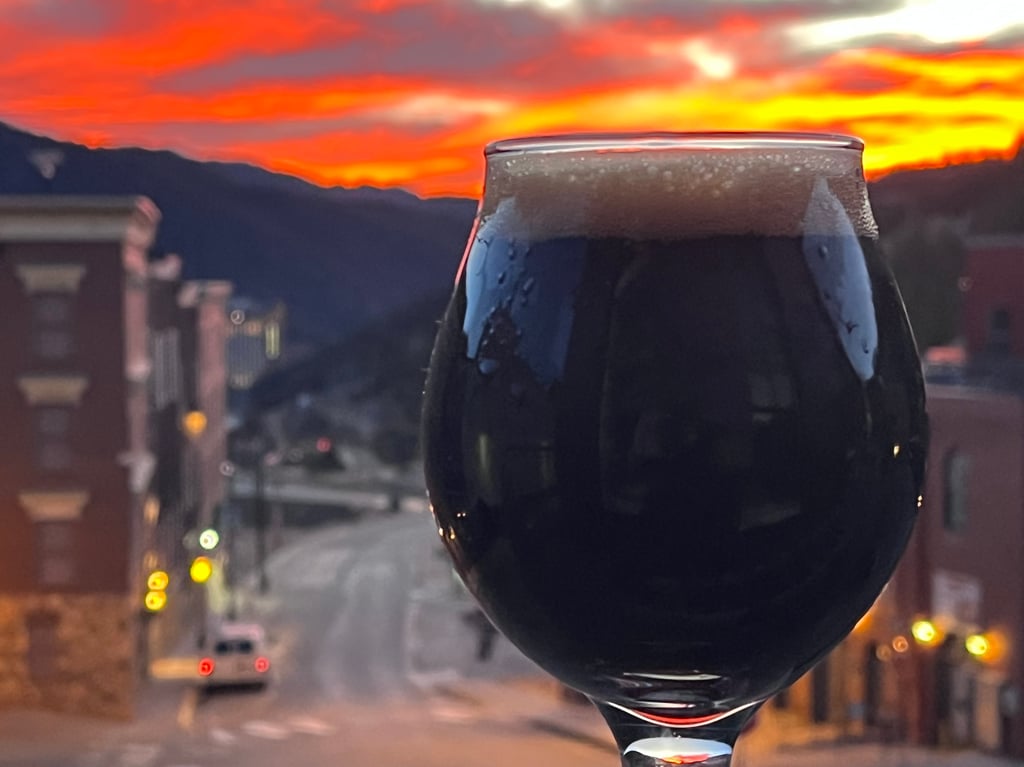
Central City’s identity has always been shaped by cycles of boom and bust. During the Pike’s Peak Gold Rush of the 1860s, the town grew rapidly as miners poured into the area, and the town earned the nickname “The Richest Square Mile on Earth.” For a brief period, Central City rivaled Denver in both population and economic activity. However, as gold mining boomed in other towns, most residents moved on, leaving behind its narrow streets and mine shafts.
With the decline of mining, Central City was forced to find new ways to survive. Tourism and small businesses gradually replaced mining as the town’s economic foundation. Historic preservation efforts protected many of the original structures, preserving the town’s appearance but also limiting the kinds of businesses that could succeed in Central City.
The Schmalz family moved to Central City long after the gold rush, but still saw opportunity in the town. In the late 1950s, Phillip and Ruth Schmalz opened the Rock Shop, selling jewelry, gems, and gold nuggets. Eventually, their son, Bruce, and his wife, Sandy, took over the Rock Shop in the 1970s and later added the T-Shirt Corner in the 1980s to serve tourists and locals.
Running the Rock Shop and T-Shirt Corner taught the family lessons that would later shape Dostal Alley. Tourism in Central City was seasonal and unpredictable, requiring flexibility and personal engagement. Success depended on relationships as much as sales. Over time, the Schmalz family learned that Central City’s survival depended not only on running a business but also on creating reasons for people to return to the town.
By the 1980s, Central City faced serious economic challenges once again. Tourism alone was not enough to sustain the town, and many historic buildings sat unused. Local leaders began searching for new sources of revenue that could support preservation and community life. It was during this period that legalized gaming emerged as a potential solution. For Bruce Schmalz, gaming did not represent a departure from Central City’s character, but rather another opportunity for reinvention.
Bruce became an advocate for limited gaming, studying models in places like Deadwood, South Dakota, and working with state legislators to promote a version of gambling that could coexist with historic towns. He believed that casinos could provide economic stability while also respecting local identity.
The advocacy work paid off with the passage of Amendment 4, the Legalization of the Limited Gambling Initiative. This citizen-initiated state ballot measure was approved by an overwhelming majority in 1990. It allowed limited gaming in Black Hawk, Central City, and Cripple Creek, opening the door for casinos to become part of those towns’ economic revivals.
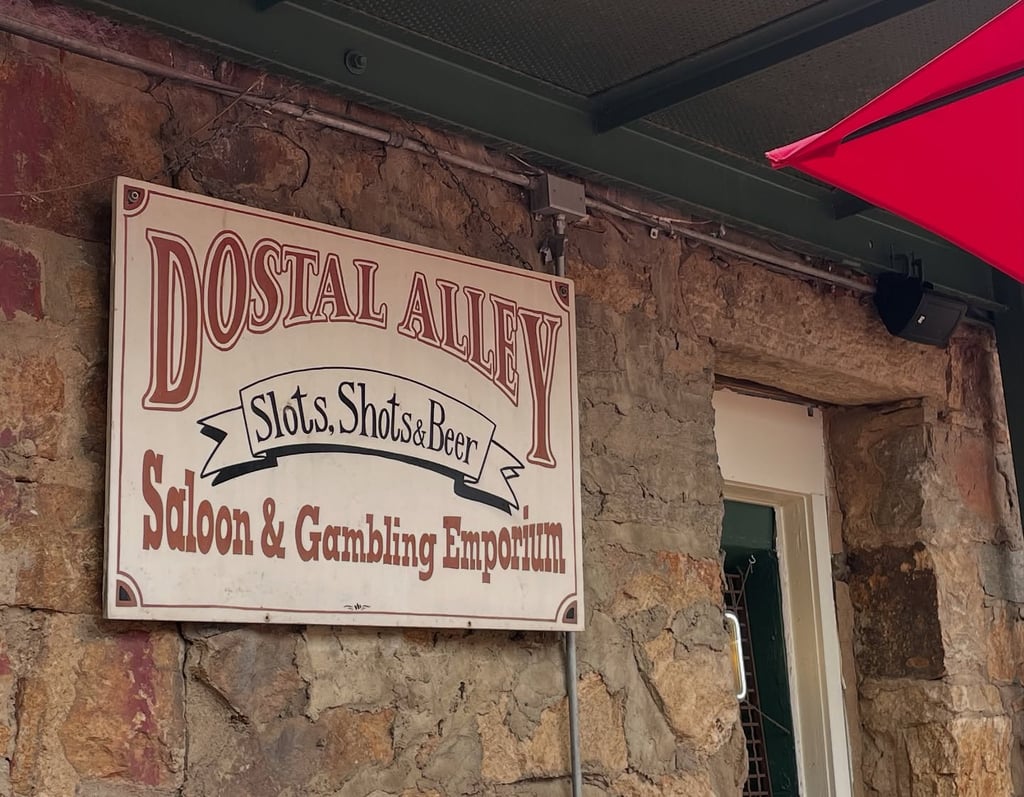
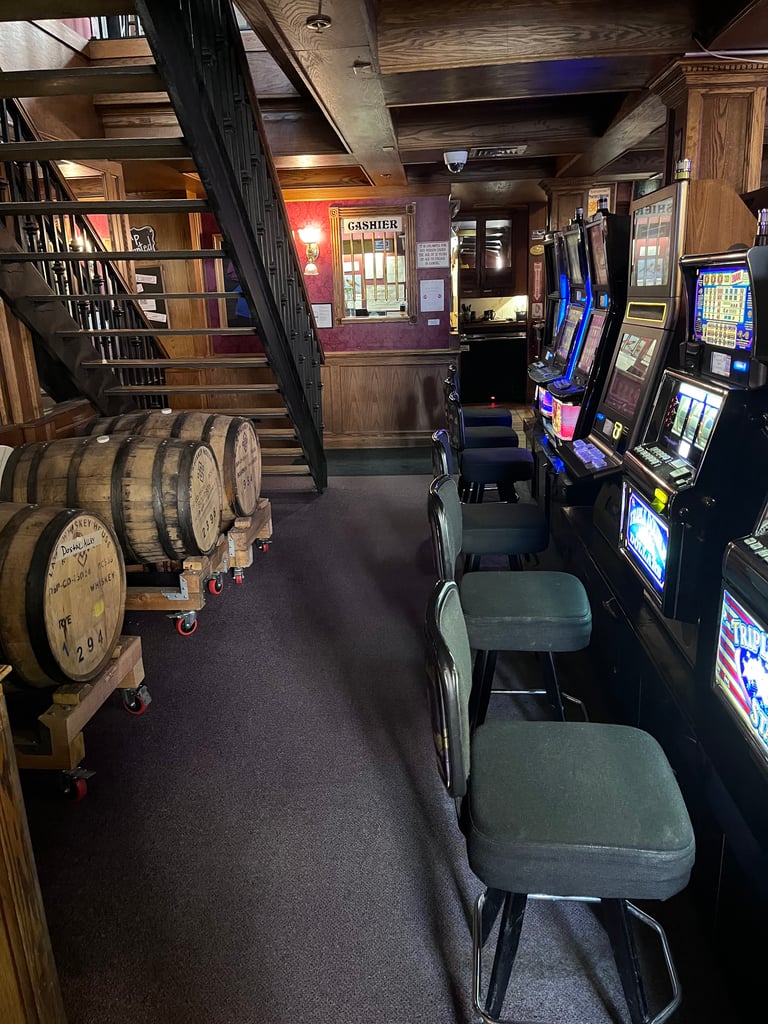
On October 12th, 1991, Bruce and Sandy, along with their children, opened Dostal Alley Saloon & Gambling Emporium. It was one of the first eight casinos in Black Hawk and Central City. The early days brought excitement and new dynamics. The Rock Shop and T-Shirt Corner continued upstairs, and forty-four slot machines were installed in the basement. The space was busy, personal, and unmistakably local. After several years, the family chose to close the Rock Shop and T-Shirt Corner to focus on new opportunities to set Dostal Alley apart from other casinos.
Adding the Brewery
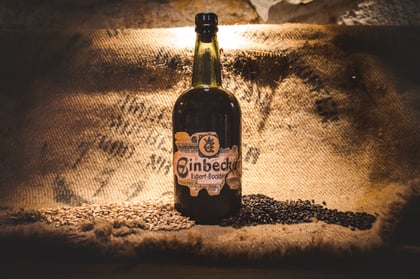
The next chapter for Dostal Alley began with a novel idea: a casino with an on-site brewery. Craft beer offered something gaming alone could not: a reason to slow down, gather, and talk. In 1997, Bruce and his son, Buddy, attended the Craft Brewers Conference in Seattle to learn about small-batch brewing and explore whether it could work in Central City. By the end of the year, Buddy ordered a two-barrel system and began brewing on-site in 1998, making it the only casino/brewpub combination in Colorado.
Rather than chasing trends, Buddy’s approach was to make beer that fit the scale and character of the town. As demand grew, the brewery expanded from a two-barrel system to a seven-barrel system, allowing him to produce larger batches while maintaining quality. For Buddy, brewing was more than making good beer; it was about telling a story. Each beer told a story about the town’s history, landscape, or people.
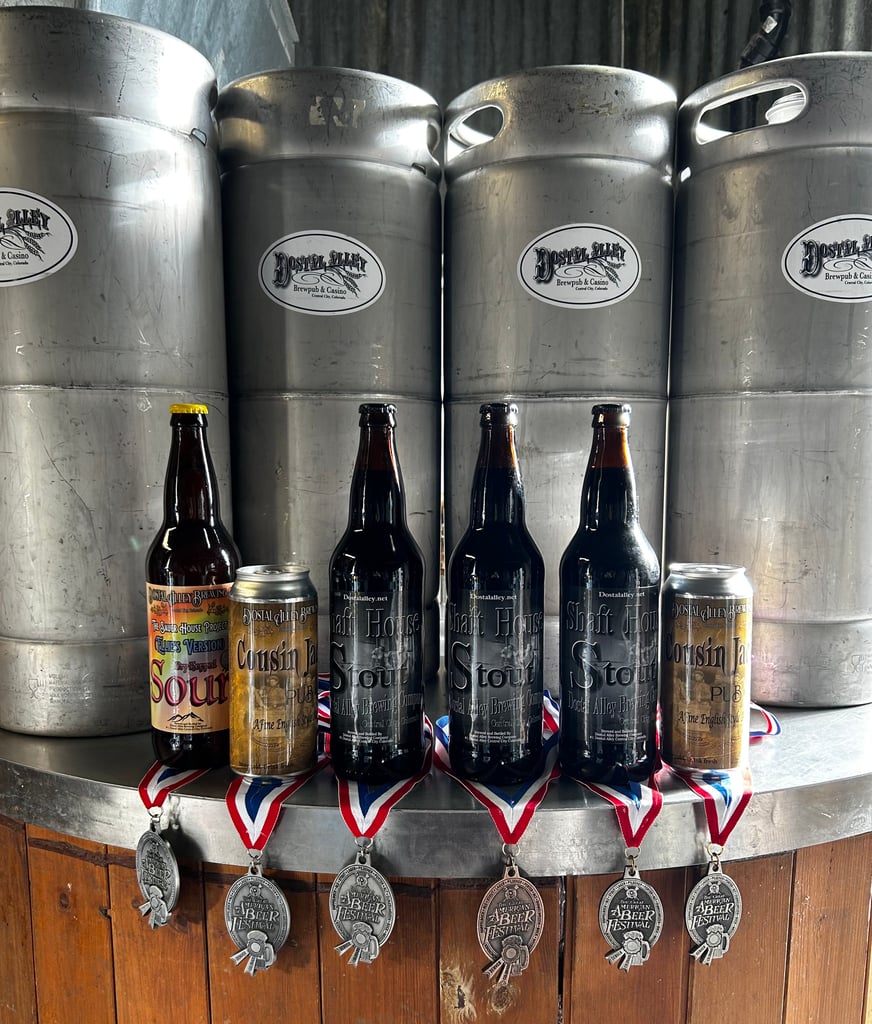
Some of the beers draw inspiration from Central City’s gold mining past. Cousin Jack Pub Ale, a two-time GABF medalist, takes its name from the old Cornish miners who worked in the town and were often called Cousin Jack. Shaft House Stout, a three-time GABF-winning Dry Irish Stout, pays tribute to the mining structures that still define the town. Gilpin Gold IPA celebrates the element that built both Gilpin County and the town.
Other beers draw inspiration from the surrounding landscape. Maryland Mountain Wheat, a Belgian-style witbier, is named after a popular hiking and biking area. Snowline Winter Ale, a strong Belgian-style red ale, is named after a small subdivision in Gilpin County that overlooks Snowline Lake that ices over in the winter.
A few beers also honor the people who shaped the town. Jacob Mack Mild Ale pays tribute to the brewer, Jacob Mack, and the nineteenth-century Mack Brewery, one of the earliest in Central City. The beer has become such a local favorite that Buddy and his wife, Gwen, named their puppy Mack in its honor. J.B. Pilsner, a Czech-style pilsner, commemorates Joseph Beaman, an early bottler in Central City whose work was well known throughout the state.
In recent years, Buddy has expanded the brewery’s storytelling through the Sauer House Project. It is a series of small-batch kettle sours named after the historic Sauer House in town, which hosts opera residents each summer. While the project includes a rotating variety of fruited sours, two batches carry special meaning: Ellie’s Version and Porter’s Version. These beers are named after Buddy’s granddaughters, part of the newest generation of the Schmalz family. If you watched the 2023 GABF award ceremony, you could hear Chris Williams announce the silver medal for Ellie’s Version, ‘the beer named after the brewer’s first granddaughter.'”
Buddy’s approach to brewing has been successful, earning national recognition, including six medals at the Great American Beer Festival over the last twenty-eight years. But the brewery is more than its awards; it distinguishes Dostal Alley from other casinos and tells the story of the town, the Schmalz family, and the community with every pint.
More Than a Casino & Brewpub
From the beginning, the Schmalz family envisioned Dostal Alley as more than a place to gamble or drink beer. It was meant to be a gathering space where locals and visitors could come together, celebrate, and connect. The goal was to create an environment where everyone feels welcome, whether they are here for the slots, a slice of pizza, or a pint of beer.
As gaming laws evolved in Colorado, including Amendment 50 in 2008, which increased maximum bets and added table games, and Amendment 77 in 2020, which removed most limits and legalized sports betting, many casinos were bought out and expanded. Breweries in Colorado also expanded to larger systems, multiple locations, and off-premise sales. Dostal Alley, however, chose a different path. It has stayed true to its roots as a small, family-run operation. The brewery still brews on the same seven-barrel system, and there are only slot machines and video poker in the casino. It is also still run by Bruce and Sandy’s children, CinDee, Buddy, Christy, and Lisa.
Through ups and downs in the gaming industry, economic shifts, and legislative changes, Dostal Alley has remained remarkably consistent. Even during periods of uncertainty, including the COVID-19 pandemic, Dostal Alley adapted by offering beer and pizza to go, maintaining its presence in the community.
After more than three decades, Dostal Alley stands as an example of how a casino and brewpub can function not as competing attractions, but as a unique business in Colorado. Its success lies not in scale or spectacle, but in the perseverance of the Schmalz family.
Comments 0
No Readers' Pick yet.